INTERNSHIPS & RESEARCH

Where curiosity meets rigour.

A record of research experiences, academic programmes and coursework that have shaped my scientific thinking and academic direction.

University of Pennsylvania shield logo

SUMMER PROGRAMME · 2026

University of Pennsylvania — Biomedical Research Academy

Philadelphia, Pennsylvania·Summer 2026

A selective residential summer programme at the University of Pennsylvania focused on biomedical research methods, laboratory techniques and scientific inquiry.

  • Gained hands-on exposure to laboratory methods used in biomedical and diagnostic research.
  • Explored influenza vaccine research, including the science behind vaccine development and testing.
  • Engaged with faculty and researchers working at the intersection of biology, medicine and engineering.
  • Developed a stronger foundation in experimental design, data interpretation and scientific communication.
Full programme details →
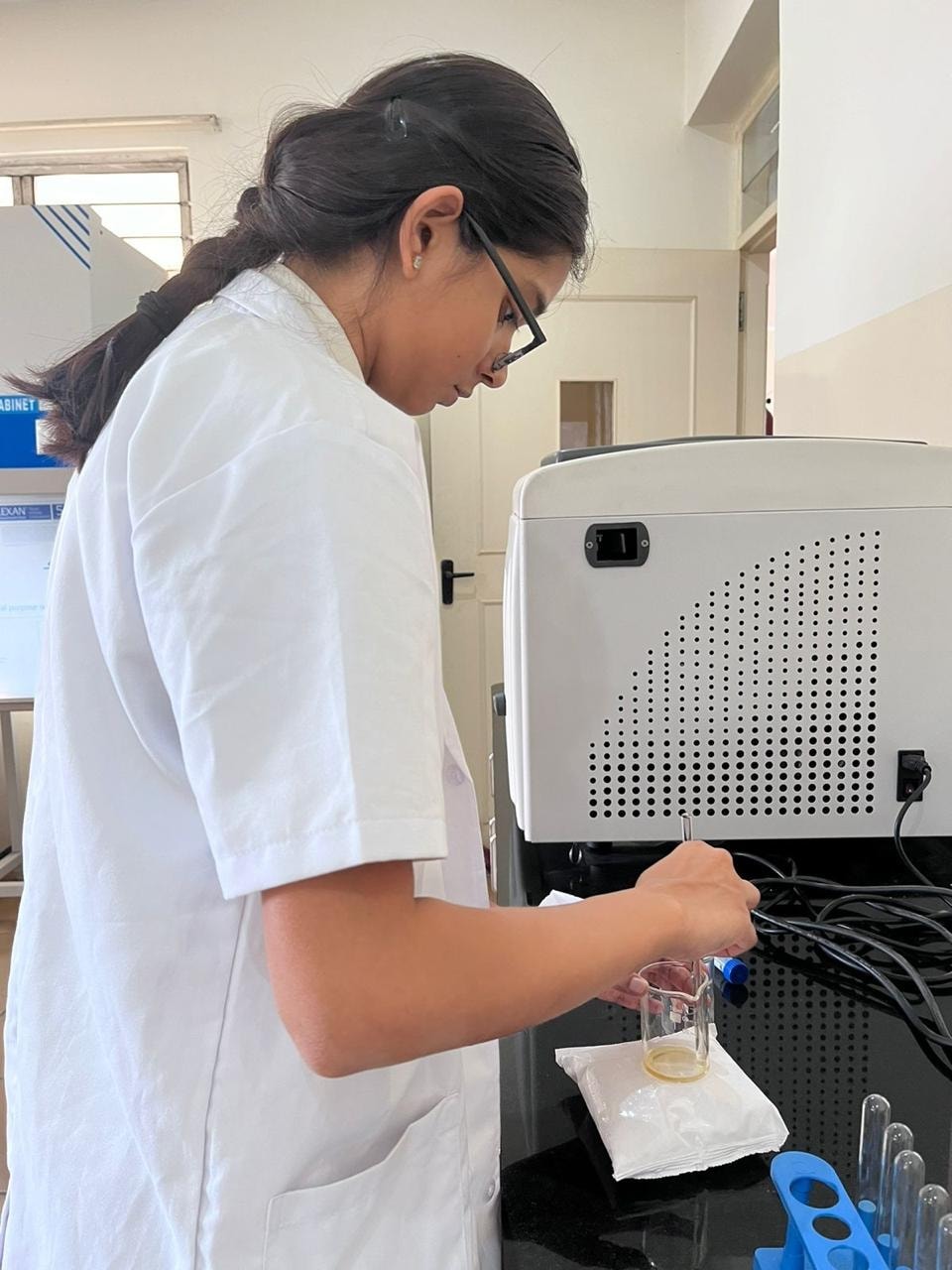
Laboratory research — Tumkur antioxidant study

RESEARCH · TUMKUR

Antioxidant and Anti-inflammatory Activity of Vigna unguiculata Leaf Extract

Tumkur·Ongoing

Research investigating the antioxidant and anti-inflammatory properties of Vigna unguiculata aqueous leaf extract, with a focus on oxidative stress, red blood cell and tissue damage mechanisms.

  • Investigated the capacity of Vigna unguiculata aqueous leaf extract to ameliorate oxidative stress-induced damage to red blood cells and tissue.
  • Characterised antioxidant activity and explored anti-inflammatory mechanisms of the plant extract.
  • Contributed to a published paper documenting the extract's protective effects against RBC and tissue damage.
  • A second manuscript from this research is currently under review.

1 Published · 1 Under Review

View publications →
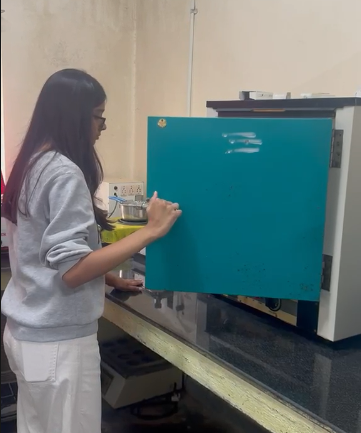
Laboratory research — SHRM Biotechnologies antimicrobial study

RESEARCH · SHRM BIOTECHNOLOGIES

Plant Phytochemicals Against Antimicrobial Resistance

SHRM Biotechnologies·Ongoing

Research examining plant-derived phytochemicals and their potential to address antimicrobial resistance, combining molecular analysis with in silico computational approaches.

  • Investigated plant-derived phytochemicals and their antibacterial mechanisms against resistant bacterial strains.
  • Applied molecular and computational approaches to evaluate the pharmaceutical relevance of plant-derived compounds.
  • Contributed to a published paper on medicinal plant phytochemicals for combating antimicrobial resistance.
  • A second paper evaluating selected phytochemicals against bacterial protein targets using in silico methods has been published in the International Journal of Research Publication and Reviews (Vol. 7, Issue 10, October 2026, Pages 7417–7425).
View publications →

COURSEWORK & EXPLORATION

IIT Madras — Chemical Engineering & Biological Systems

IIT Madras · Engineering Coursework·Completed

Explored the principles of chemical engineering and the application of engineering concepts to biological systems, building a foundation for my interest in pharmaceutical development and biomedical applications.

  • Studied chemical engineering principles, including thermodynamics, reaction kinetics and process fundamentals.
  • Explored how engineering concepts can be applied to biological systems and biomedical challenges.
  • Connected engineering concepts with my broader interest in pharmaceutical development, formulation and production.

INTERNSHIP · NEUROSCIENCE RESEARCH

ThinkNeuro — Research Internship

ThinkNeuro·

Explored the use of lipid nanoparticles and monoclonal antibodies in research investigating approaches to crossing the blood-brain barrier for Alzheimer's disease.

  • Investigated lipid nanoparticles and monoclonal antibodies as potential vehicles for crossing the blood-brain barrier in the context of Alzheimer's disease research.
  • Developed a research poster examining the potential applications of these approaches in neurological drug delivery.

INTERNSHIP · GENETICS & EVOLUTIONARY BIOLOGY

Pharmint — Research Internship

PharmInt·

Investigated the relationship between the HMGA2 gene and songbird beak morphology across 20 species using bioinformatics and comparative analysis tools.

  • Examined the role of the HMGA2 gene in shaping beak morphology across 20 songbird species.
  • Applied bioinformatics and comparative analysis tools to explore genetic variation and evolutionary relationships.

INTERNSHIP · BIOLOGY

LEAF: Biology for a Better Tomorrow

LEAF·18 October – 22 November 2026

A selective five-week online programme exploring advancements in biology and their real-world applications. Through weekly expert-led sessions, peer discussions, workshops and independent learning, I engaged with emerging developments in biological research and scientific innovation, and their potential to address global challenges. The programme also offered the chance to exchange ideas with fellow participants and learn from experts in the field.

    SKILLS & METHODS

    Technical skills and research methods

    Literature Review & Synthesis

    Systematic review of scientific literature across medicinal plant science, pharmaceutical research and biomedical engineering.

    Scientific Writing

    Academic writing for peer-reviewed publication, including abstract drafting, methodology and results sections.

    Computational Analysis

    In silico evaluation methods applied to phytochemical and protein target research.

    Laboratory Methods

    Hands-on laboratory techniques from the UPenn Biomedical Research Academy, including experimental design and data interpretation.

    Chemical Engineering Principles

    Thermodynamics, reaction kinetics and process fundamentals from IIT Madras coursework.

    Research Communication

    Presenting research findings clearly and accurately, both in written publications and academic contexts.

    The research in context

    My research experiences connect to published papers, the UPenn programme and the broader academic journey documented across this portfolio.